 By addROMs
Environmental Protection
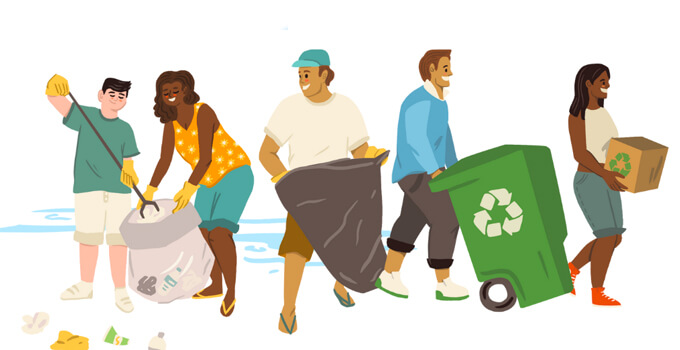
- Environmental protection is one of the most important issues in the modern world. Our environment includes air, water, land, plants, and animals. It provides us with everything we need to live, but human activities are harming it day by day.
- Pollution is a major threat to the environment. Factories release harmful gases into the air, and waste is often thrown into rivers and oceans. This causes air and water pollution, which can lead to serious health problems for humans and animals. Deforestation is another big problem. Trees are cut down for wood and land, but this destroys wildlife habitats and reduces the amount of oxygen in the air.
- To protect the environment, we must take responsibility. We should plant more trees, reduce waste, and recycle materials like paper, plastic, and glass. Using less plastic and saving water and electricity can also make a big difference. Governments should make strict laws to control pollution, and people should follow them.
In conclusion, environmental protection is necessary for our survival. If we do not act now, future generations will suffer. It is our duty to keep our planet clean and safe for everyone.
how to clean our environment
- Cleaning the environment isn’t about one big action—it’s a collection of everyday choices that add up. You can think of it in three layers: your personal habits, your community, and larger awareness.
- Start with your daily routine. Reduce waste where possible—carry reusable bags, bottles, and containers instead of single-use plastics. Properly sort trash so recyclable materials (like paper, glass, and metal) don’t end up in landfills. Composting food scraps is another simple way to cut down waste while enriching soil.
- Water and energy use matter too. Turn off taps when not in use, fix leaks, and avoid wasting electricity by switching off lights and appliances. Even small shifts, like using public transport, cycling, or walking instead of driving, reduce pollution.
Ways to reduce pollution
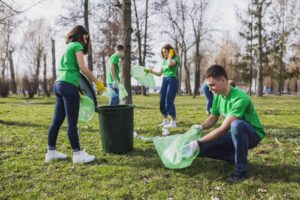
Reducing pollution comes down to changing how we produce, use, and dispose of resources. Here are practical ways you can make a real difference:
1. Cut air pollution
- Use public transport, carpool, cycle, or walk instead of driving alone.
- Keep vehicles well-maintained to reduce emissions.
- Avoid burning trash or leaves, which releases harmful smoke.
- Save electricity—less power use means fewer emissions from power plants.
2. Reduce plastic and solid waste
- Switch to reusable bags, bottles, and containers.
- Avoid single-use plastics like straws and wrappers.
- Recycle materials properly and separate waste at home.
- Compost food waste instead of throwing it away.
3. Protect water
- Don’t dump oil, chemicals, or garbage into drains or rivers.
- Use less detergent and choose Eco-friendly cleaning products.
- Fix leaks and avoid wasting water.
4. Plant and protect greenery
- Trees absorb pollutants and improve air quality.
- Support planting drives and protect local green spaces.
methods to grow many plants
If the goal is to grow many trees (not just a few), you need a mix of good planting techniques and a system to scale up. Here’s how people and communities successfully do it:
1. Plant during the right season
The best time is the monsoon (rainy season). Natural rain helps trees establish roots, reducing the need for extra watering.
2. Prepare the soil properly
- Dig deep pits
- Mix compost or manure into the soil
- Ensure proper drainage
Healthy soil = faster growth.
3. Protect young trees
Many plantations fail because saplings aren’t protected:
- Use guards or fences to keep animals away
- Water regularly for the first year
- Remove weeds around the base
4. Use seed balls for large areas
For hard-to-reach land:
- Mix seeds with soil and compost
- Throw them over barren land before rains
This is a low-cost way to spread vegetation widely.
5. Monitor and maintain
Planting is just the start. Check survival rates and replant where needed. Even a 70% survival rate is considered good.